

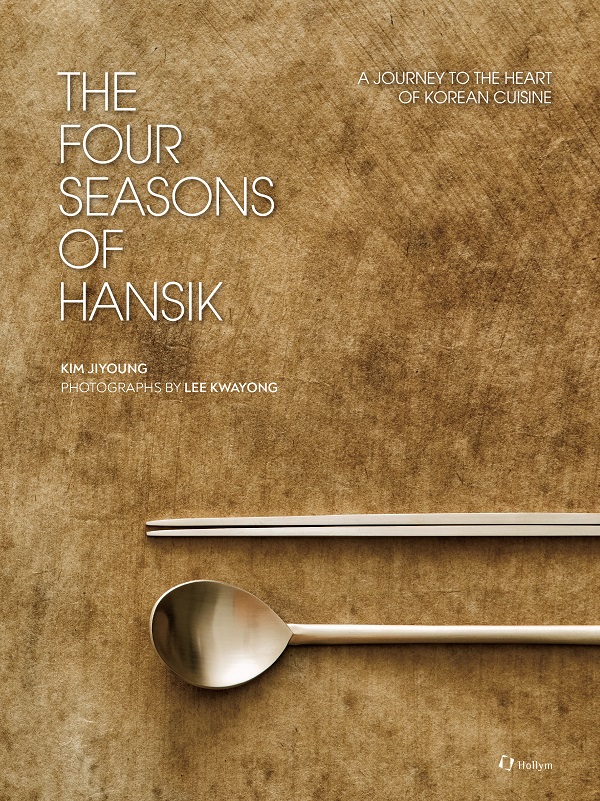
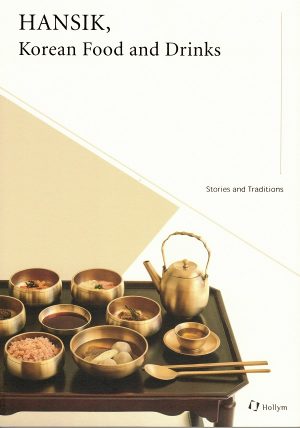
The Four Seasons of Hansik: A Journey to the Heart of Korean Cuisine
$62.50
“Hansik is not just food—it is a living culture shaped by nature, philosophy, and the Korean way of life.”
Food as Culture, Not Merely Cuisine
Rooted in centuries of history and shaped by Korea’s natural environment, philosophy, and way of life, hansik—Korean cuisine—is far more than a collection of dishes. It is a living cultural system that reflects how Koreans understand nature, community, and the human body. Four Seasons of Hansik invites readers to encounter Korean culture through food, revealing how everyday meals embody emotional sensibilities, aesthetic values, and a deep respect for balance and harmony.
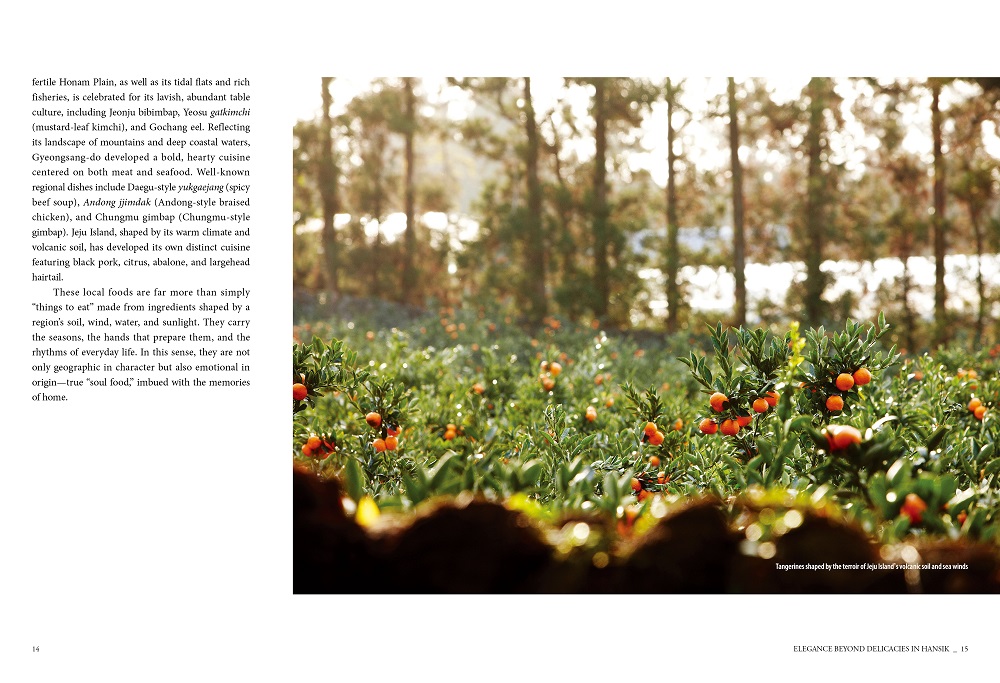
A Cuisine Shaped by Land, Sea, and Seasons
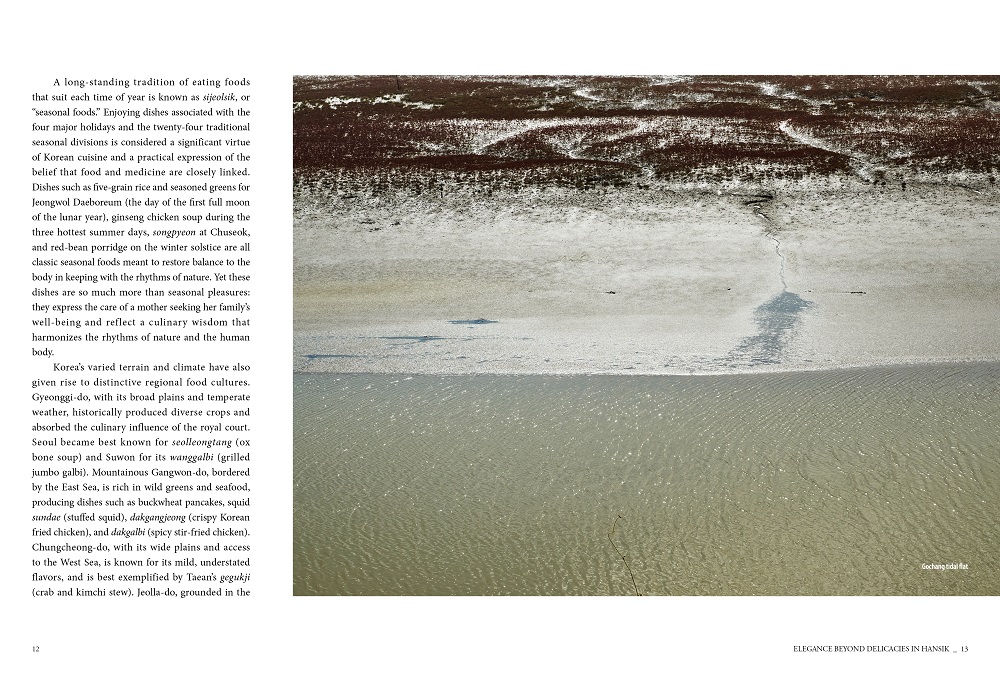
Korea’s geography and four distinct seasons have shaped a cuisine deeply attuned to nature. Surrounded by seas and rich in mountains and plains, the Korean Peninsula fostered a food culture centered on rice, seafood, wild greens, and fermented staples. Seasonal foods (sijeolsik)—from spring herbs and summer stamina dishes to autumn harvest foods and winter fermentation—reflect the belief that food and medicine share the same origin. Eating in season is presented not only as a culinary preference, but as a philosophy of living in rhythm with nature.
Yin-Yang, the Five Elements, and the Harmony of Taste
Central to hansik is the harmony of yin and yang and the Five Elements, which guide the balance of flavors, colors, and ingredients. Sour, bitter, sweet, spicy, and salty tastes are combined to nourish specific organs and maintain bodily equilibrium. Dishes such as bibimbap exemplify this principle, blending multiple flavors and colors into a single, balanced whole. The book also introduces gamchilmat, the deep umami flavor born from fermentation and time, which has become a defining characteristic of Korean taste.
Fermentation and the Depth of Flavor
Fermented foods such as kimchi, doenjang, gochujang, and jeotgal form the backbone of Korean cuisine. Through carefully managed fermentation, these foods develop complex layers of flavor that deepen over time. The book shows how fermentation is not only a method of preservation, but a cultural practice that connects Korean food to nature, patience, and collective memory—qualities increasingly valued in contemporary global food culture.
Elegance, Restraint, and the Korean Table
Beyond taste, Four Seasons of Hansik explores the elegance and restraint that define Korean food culture. Values such as moderation, balance, and communal sharing are reflected in table settings, side dishes, and traditional vessels including celadon, white porcelain, onggi, woodenware, and bangjja yugi (brassware). Food is presented without excess, emphasizing harmony between people, nature, and the table.
Hansik as Living Cultural Heritage
By weaving together philosophy, regional foodways, seasonal customs, and aesthetic traditions, this book offers an immersive introduction to Korean cuisine as cultural heritage. It invites readers to see hansik not simply as what Koreans eat, but as how they live—how a single bowl of rice can carry history, care, and a way of life, and how Korean cuisine continues to speak to the modern world through timeless principles of balance and harmony.
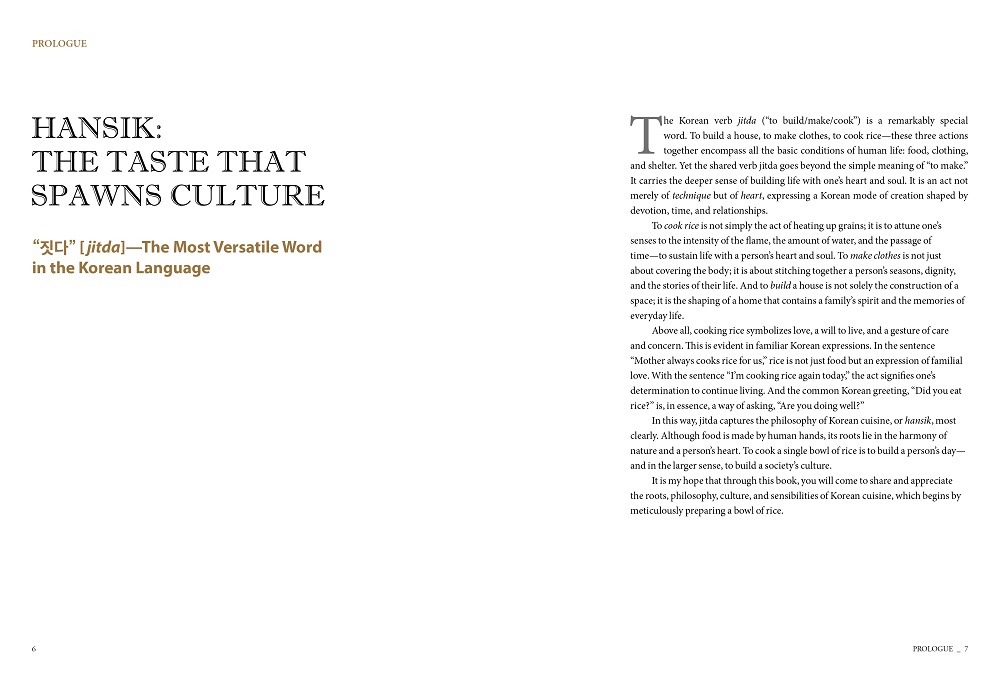
Prologue
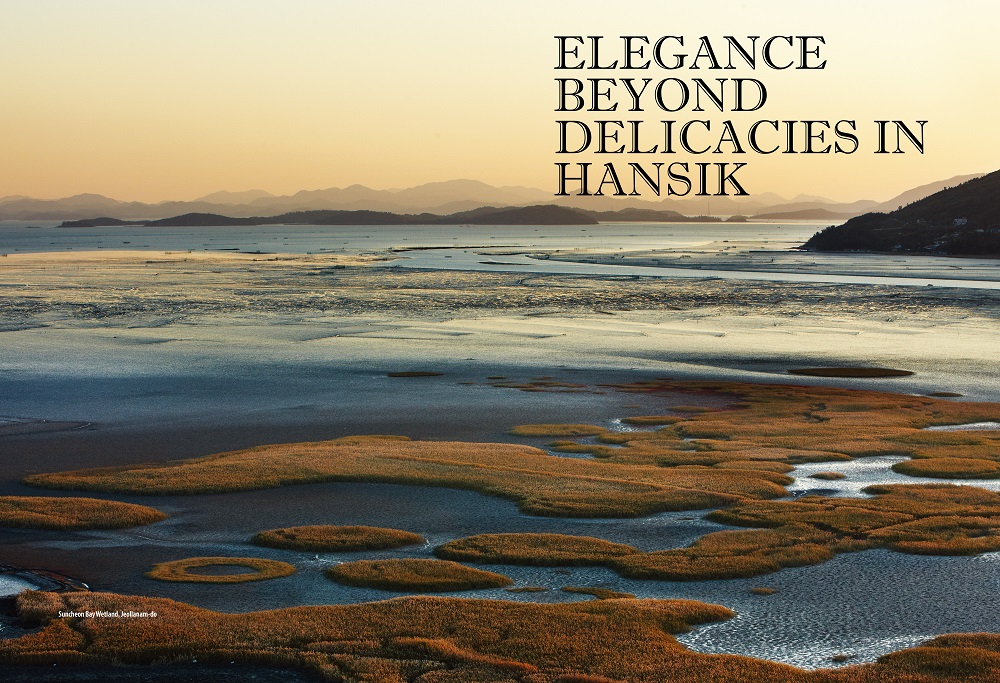
Elegance Beyond Delicacies in Hansik
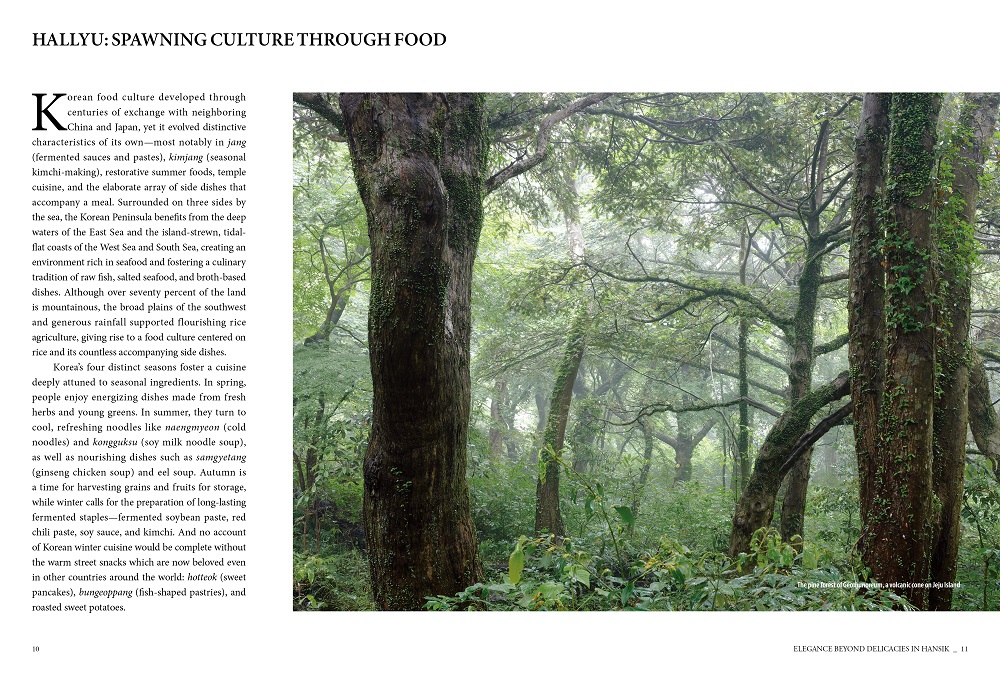
Hallyu: Spawning Culture through Food
The Flavors of Korean Cuisine
The Style of Korean Cuisine
The Four Seasons of Hansik
Spring
Summer
Autumn
Winter
Epilogue
-
-
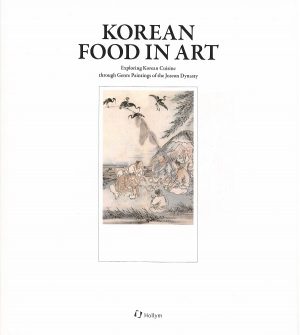
Korean Food in Art
Exploring Korean Cuisine through Genre Paintings of the Joseon Dynasty$64.50 Add to cart -